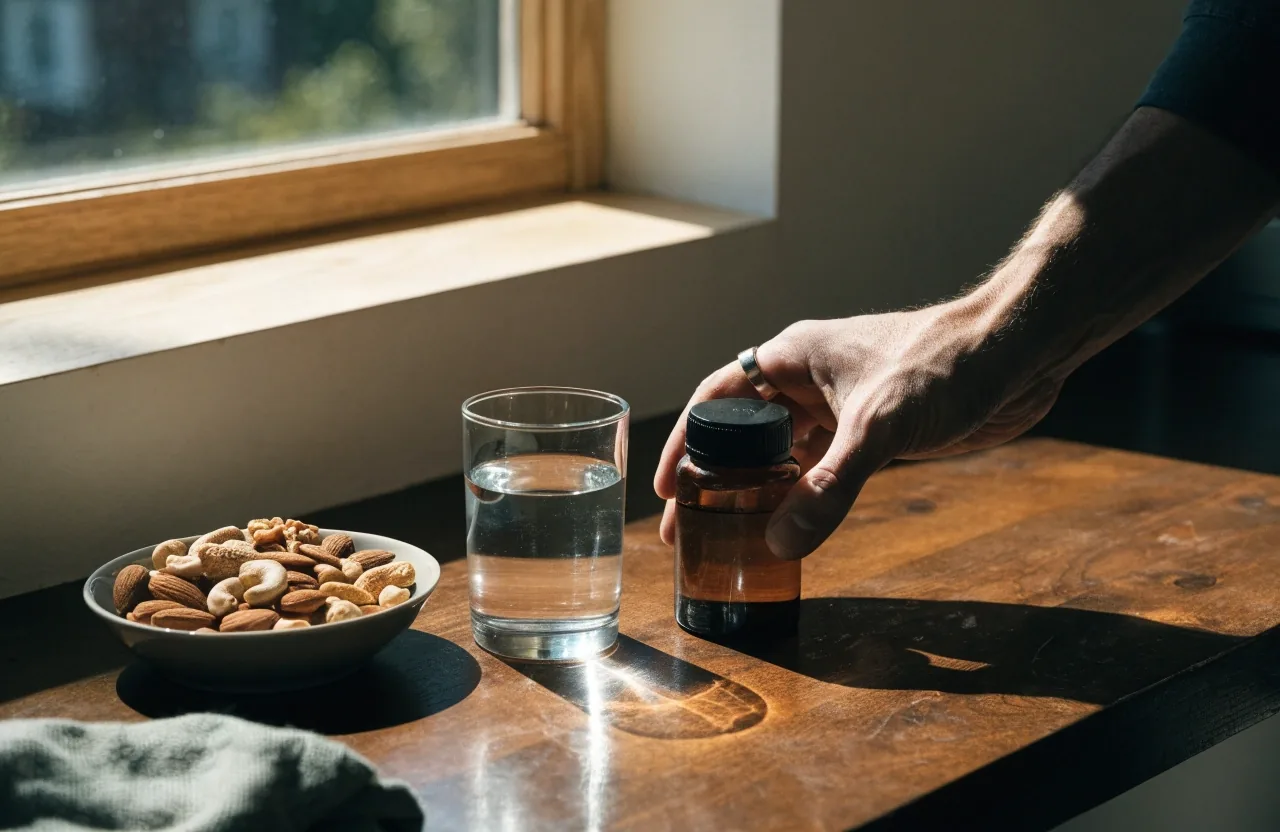
Where a supplement fits your day
Meals, training, sleep and water do most of the work. A daily multivitamin sits alongside them as a gap-filler, and this page is about the practical side of that arrangement.
A capsule is a small part of a larger picture, and it stays small when the rest of the week holds together.
This page is about the practical side: when to take a men's multivitamin, how to pair it with food and training, and why a realistic routine beats an ambitious one you abandon in a fortnight. Nothing here is a shortcut, and nothing here asks you to rearrange your life around a bottle.
What follows is a chapter-by-chapter look at the parts of a day a supplement can honestly touch, and the parts it cannot. Read it as a checklist for your own week rather than a prescription.
Meals come first, and that's not a slogan
Most research summarised in retail health guides, including Walgreens' men's vitamins page, finds little to no benefit from multivitamins for preventing disease in healthy adult men. Read that as a positioning statement rather than a dismissal. It means the plate does the heavy lifting, and the capsule covers what the plate misses.
If your diet is varied and includes vegetables, protein and dairy, a daily multivitamin is closer to insurance than necessity. Natural supplements for men work best in that supporting role, filling the gaps a busy week leaves rather than replacing the meals themselves.
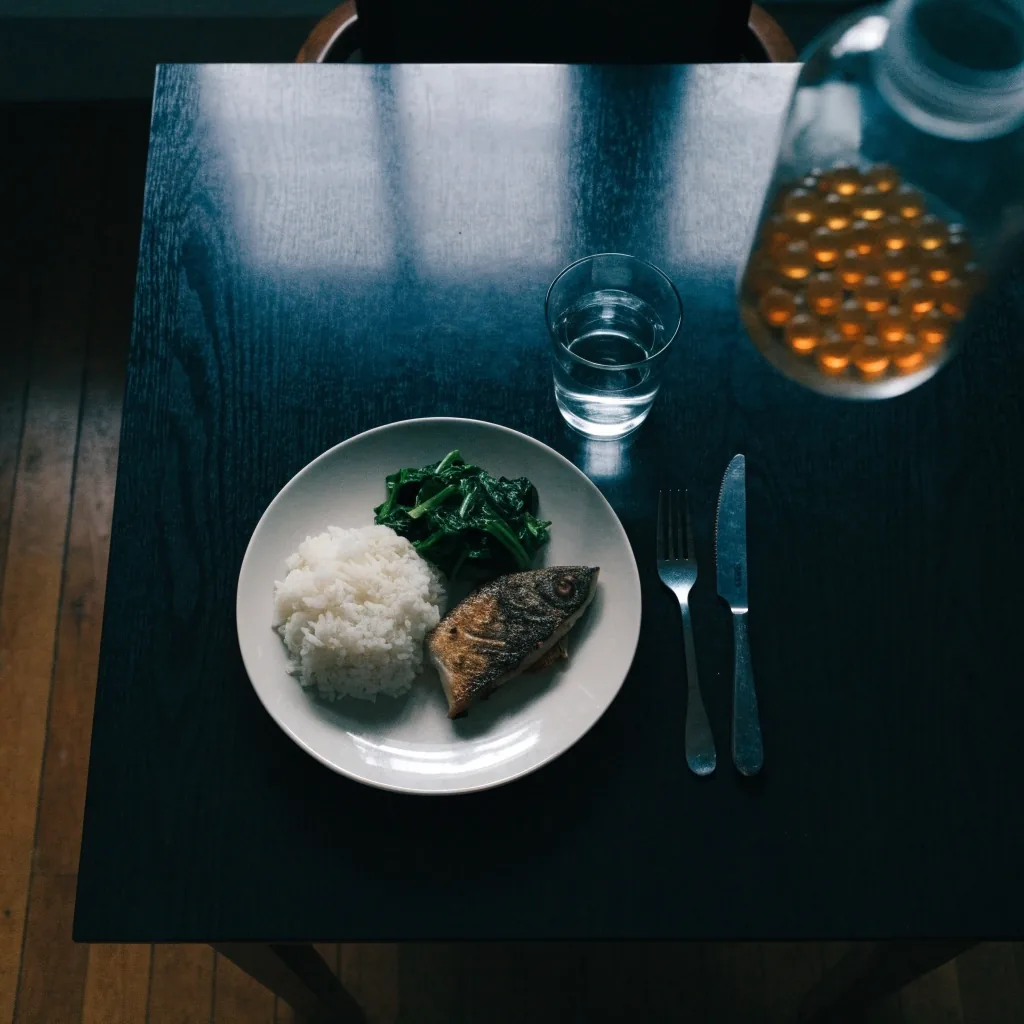
Regular meals at roughly the same times do more for a week than a bottle ever will — the supplement covers the days that slip.
Timing, training and the parts worth optimizing
Four lines that decide whether a routine survives contact with a real week. Hover a row to read the detail.
Sleep, hydration and the parts no capsule covers
Sleep is the variable men most often try to supplement around, and it doesn't work that way. If you're sleeping five hours and hoping a multivitamin fills the gap, the gap stays open. Bedtime moves matter more than any label claim on the shelf, and a week of short nights is not something a capsule can rebalance.
Hydration is the same story: water intake affects how you feel during work and training more than most pills on the shelf. Between the two, you have the foundation. Treat the supplement as something layered on top of a functioning base, not as the base itself. When a routine leans on the capsule first, it usually leans on nothing by the third week.
If you want a place to start, look at the last seven nights and the last seven days of water before you look at the bottle. Those two answers tell you more about your week than any supplement facts panel can.
Building a routine you'll keep in a Bandung week
Commutes, office hours and evening traffic shape when people actually eat. The routine that survives here is the one that attaches to something already happening in your day.
Anchor it to a meal that already happens
The coffee before you leave, the lunch you eat at your desk, the meal after training. Keep the bottle where you'll see it rather than behind a cupboard door — visibility beats willpower when the week gets long.
Travel weeks
If you move between cities for work, a one-a-day format such as GNC Mega Men One Daily carries easier than a multi-capsule pack.
Skipped days
Miss a day and carry on the next. Daily nutritional support is cumulative and undramatic, so an occasional gap is not a setback to correct with a double dose.
Keeping it in proportion
A supplement is one line item in a lifestyle, not the headline. Two columns below set the claim the bottle makes against the claim a normal week supports.
What the bottle suggests
What a normal week supports
How to tell whether it's working
Daily nutritional support is slow and undramatic, which makes it hard to judge. Don't expect a switch to flip. A more useful approach is to track the routine itself: did you take it most days this month, and did your meals hold up? Those are things you can actually observe.
If you have a diagnosed deficiency, the assessment belongs with a doctor or pharmacist rather than a personal experiment. Self-testing against a label is not a substitute for that conversation, and no bottle replaces one.
When to change something
Revisit your choice after a few months rather than a few days. If you keep skipping a split-dose formula, that's information: switch to a one-a-day. If you've changed your diet, changed training load or started medication, the formula that suited you last year may no longer fit.
- You skip doses because the pack is awkward to carry — go simpler, not stronger.
- Your diet or training load has shifted and the label no longer matches your week.
- You started medication — bring the bottle to a pharmacist before anything else.
- The product was reformulated and you haven't read the panel again.
Small habits that carry the capsule
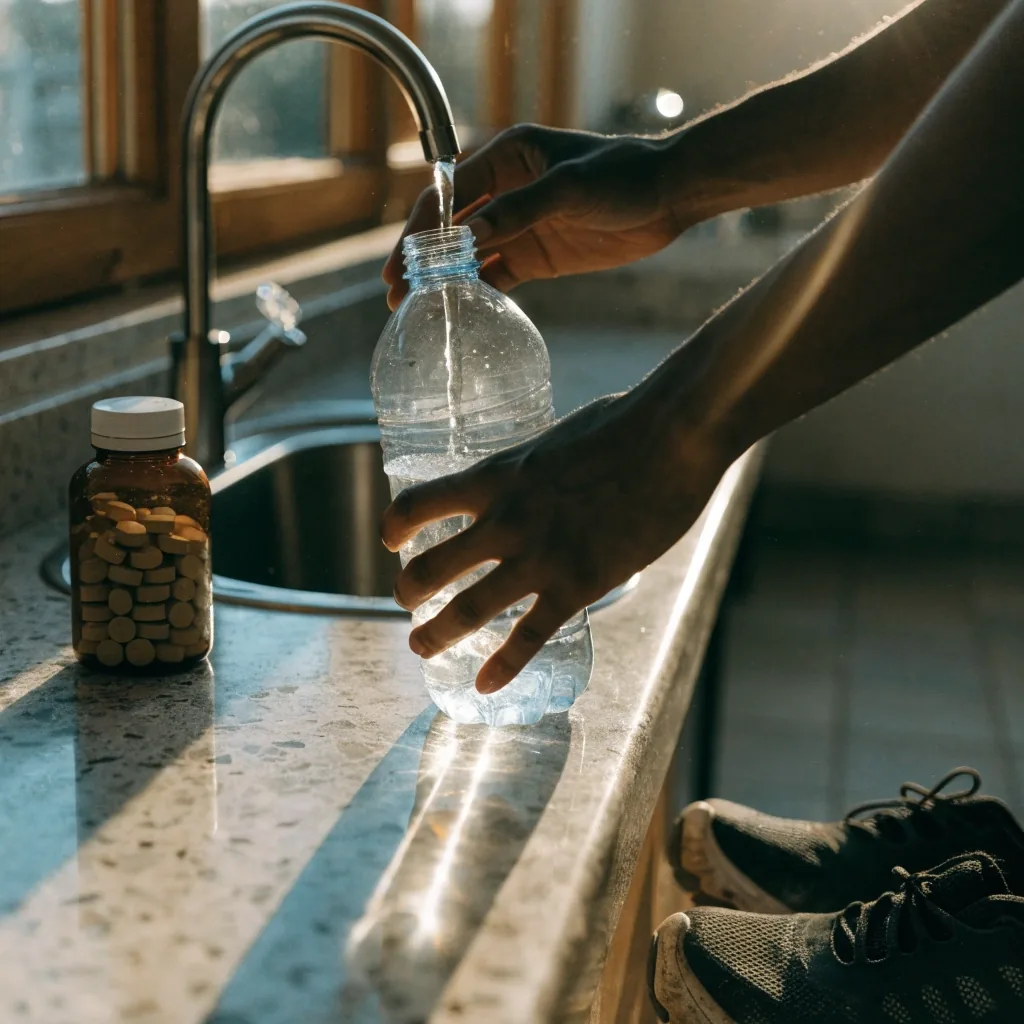
Healthy lifestyle products work when they attach to something you already do. Put the bottle next to the coffee jar, keep a filled water bottle on the desk, and put your training shoes by the door the night before. None of this is dramatic, and all of it compounds.
If your evenings already run late, protect one earlier night rather than adding another supplement. The menu below is the order we'd suggest tackling it in.
- Meals first Build the week around three dependable meals before adding anything else to the shelf. Food
- Water within reach A bottle you can reach beats a target you have to remember, especially during office hours. Water
- Movement through the week Two or three sessions you'll actually attend beat five on a plan you won't follow. Movement
- A capsule if there's a gap Men's health support in practice looks like regular meals, some movement, enough sleep, and a modest capsule if there's a gap worth covering. Optional
Questions that come up before you commit
Straight answers to the parts people ask about most when they're fitting a supplement into a real routine.
Does the time of day actually matter?
Later than you'd think. Consistency is the variable that pays off. Pick the meal that happens at roughly the same time each day, take the capsule there, and stop worrying about the clock. If a formula sits easier with food, moving it to a meal matters more than moving it to a specific hour.
Will it give me energy before training?
Not in the way a pre-workout does. Nutrients such as B vitamins contribute to normal energy-yielding metabolism, which is a different job from a stimulant hit. Carbohydrates before a session and protein afterwards are what feed the session itself; the capsule covers nutrient intake around it.
Should I double up if I miss a day?
No. Daily nutritional support accumulates gradually; one missed morning isn't a debt to settle in the evening. Carry on with the normal dose the next day. If you're forgetting regularly, the format is the problem — a one-a-day is easier to keep than a split dose.
Where do vitamins and minerals for men fit next to medication?
That's a conversation, not a label decision. Take the bottle to a pharmacist or your doctor and ask about interactions before you change anything. This page can help you read a supplement facts panel; it can't tell you what's right for your own situation.
How long before I judge a formula?
Give it a few months rather than a few days, and judge the routine alongside it. Did you take it most days? Did the meals and the water hold up? Those two answers tell you more than any subjective feeling about the capsule.
Read the label, then read your week
That's a smaller claim than most bottles make, and it's the one that holds up when you check it against a supplement facts panel. When you're ready to compare formulas for yourself, the ingredient guide and the comparison page give you the tools to do it properly.
Have a question the page didn't answer? Send the editorial desk a note and we'll read it alongside our own notes on the label.
Supplements are not medicines. This page is general information for adult men in Indonesia, not medical advice, and it does not replace an assessment from a qualified professional. Reach the desk at [email protected] or on +62 22 425 6888, Monday to Friday, 09:00–18:00.